

Branding is not the first thing that comes to mind when you think about a small business. From my experience, usually, most small businesses don’t pay attention to their branding much. However, branding is an asset just like proprietary technology, equipment, or intellectual property which could give a competitive edge in the long run.
Since you are reading this article, I know you appreciate the value of branding!
Mission & Vision
Branding for small businesses is much more than a logo or brand name. It means creating a unique positioning in a holistic way, including the font, brand colors, tone, and brand values. But everything comes after a clear and strong mission and vision. Sometimes they are used interchangeably. Those two are the backbone of branding.

Brand Identity
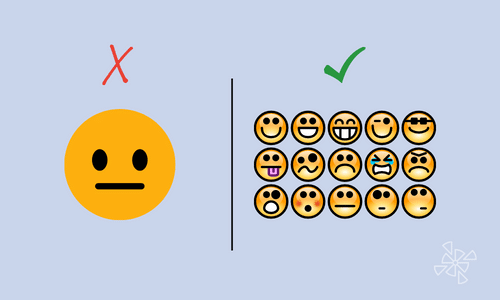
After creating an inspirational mission and vision statement, next, think about the brand identity. What does your business care about? Some suggestions might be the climate, integrity, employees/team, diversity, equality, sustainability, education… What is the culture or desired culture in your organization? Professional, fun, casual, family, collaborative, independent? In other words, if your organization was a person, how would you describe it? That is the brand identity. If you are a sole proprietor, then look at your personality. Because usually, your business reflects you. There is absolutely no right or wrong here! Your business can believe in or care about anything (just make sure you are on the same page with your customers). The worst is not to have a character and sending mixed signals to your customers.
Brand Elements
You have your mission and vision statements and a clear idea of your brand’s identity (try to come up with a few adjectives to describe your brand). The good news is it gets easier from there.
Some other brand elements you may want to consider are your logo, typeface, colors, and tone. But your adjectives will shape all these brand elements. Let’s say you want to create a cool brand. Then you may want to use cool colors, neutral tones, and not an elaborate typeface. Let’s say your mission includes stellar customer service. Then that should be noticeable in all your communications (emails, social media, etc.) For example, before interacting with your customers, you may want to ask their name but remember it is a cool brand. So, maybe instead of saying “Hello”, say “Hey!” Of course, it all depends on how you define cool
Branding for Small Businesses is a Long Game!
There is meticulous attention to detail in branding. Everything you do, from your emails, and social media posts to your products, even packaging should support and elevate your brand identity.
Branding for small businesses can be an extremely difficult and long-term game, but it will eventually pay off. That is why some businesses stand out and become successful brands (e.g., Nike, Apple, Patagonia, Disney). If there is no brand identity, then all the ad dollars are wasted and spent on ads that don’t convert. Those businesses end up selling a commodity that only competes in price. Whether it’s a social media post, an email, the logo, or even the package, think about branding and make sure everything is aligned with your branding.
Next time, ask yourself if this email, post, packaging, or team/people, are aligned with the character of the business. By the way, culture is a big part of branding! Don’t forget the culture and team. For example, when hiring, don’t just focus on talent. Also, think about the cultural fitness and their passion for the brand values.
Ready to Take the Next Step?
Here is a Brand Style Guide Template for you! I love working with businesses that are passionate about their branding. Feel free to let me know below if you have any questions!
 Actionable advice
Leave a comment